


Chapter 1: Foundations of Africentric Social Work in Canada
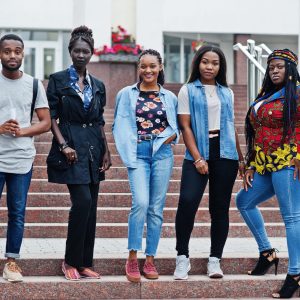
Foundations of Africentric Social Work in Canada
1.0 Introduction
Africentric social work is a critical intellectual, cultural, and practice-oriented framework that recenters African epistemologies, ontologies, and axiologies within the discipline of social work. It is not simply an “alternative perspective” within a pluralistic field; rather, it is a deliberate epistemological intervention that challenges the historical dominance of Eurocentric knowledge systems that have shaped social work education, research, and practice globally, including in Canada (Asante, 2003; Schiele, 1996). In doing so, Africentric social work seeks to restore intellectual balance by affirming that African and African diasporic knowledge systems are complete, sophisticated, and capable of generating their own theories of human development, wellbeing, and social transformation.
The emergence of Africentric social work must be understood within the broader history of colonialism, slavery, and racial capitalism that shaped both African societies and African diasporic formations across the Caribbean and the Americas. In countries such as Nigeria, Ghana, Uganda, Malawi, the Democratic Republic of Congo (DRC), and South Africa, colonial administrations actively disrupted Indigenous governance systems, kinship structures, and spiritual institutions, replacing them with Western administrative models that continue to influence social welfare systems today (Mbembe, 2001; Rodney, 1972). Similarly, in the Caribbean—particularly in Jamaica, Trinidad and Tobago, Barbados, Haiti, and Saint Lucia—the legacy of plantation slavery produced fragmented family systems, racial hierarchies, and imposed Eurocentric education and welfare structures that still shape contemporary social services.
In Canada, these global histories converge through migration, settlement, and ongoing anti-Black racism. Black Canadians are not a monolithic population but include descendants of enslaved Africans brought during the transatlantic slave trade, Black Loyalists, Caribbean migrants of the Windrush generation, and more recent African immigrants and refugees from countries such as Somalia, Ethiopia, Eritrea, Nigeria, Ghana, South Sudan, Uganda, and the DRC (Mensah, 2010; James, 2012). Each of these groups brings distinct cultural, linguistic, religious, and historical experiences that shape their engagement with social systems in Canada.
It is therefore a foundational principle of this textbook that Africentric social work must reject “one-size-fits-all” approaches to Black identity and practice. While Africentric frameworks emphasize shared philosophical principles such as relationality, collectivism, and spirituality, they must also account for internal diversity within African and diasporic populations. Failure to do so risks reproducing essentialism, where all Black clients are assumed to share identical cultural norms, migration histories, or family structures. For example, a social worker applying a generalized “African family model” may misinterpret the lived reality of a Somali refugee family in Calgary whose kinship networks have been disrupted by war, displacement, and resettlement systems.
Africentric social work therefore emerges as both a decolonizing project and an emancipatory practice framework. It challenges not only what social work knows, but how it knows, whose knowledge counts, and how professional interventions can either reproduce or resist systemic oppression. In this sense, Africentric social work is deeply aligned with anti-oppressive, anti-racist, and decolonial practice traditions, but it goes further by centering African worldviews as foundational rather than supplementary.
In contemporary Canadian social work practice, Africentric frameworks are increasingly relevant in child welfare, mental health, education, healthcare, and criminal justice settings where Black communities are disproportionately represented due to systemic inequities (Maynard, 2017). For instance, Black children in provinces such as Ontario and British Columbia are overrepresented in child protection systems, often due to structural poverty, racial profiling, and culturally incongruent assessment tools rather than actual neglect. Africentric social work provides a corrective lens that reframes such cases by emphasizing structural analysis, cultural context, and community strengths rather than deficit-based interpretations.
Ultimately, Africentric social work invites practitioners, scholars, and students to engage in a profound intellectual shift: from viewing African-descended peoples through externally imposed categories to engaging African worldviews as legitimate, dynamic, and theoretically generative systems of knowledge. It is both a scholarly framework and a call to action for social transformation grounded in justice, dignity, and cultural continuity.
| Case Study Box 1.1 |
|---|
| Cultural Misrecognition in a Multigenerational Black Canadian Family |
|
In Toronto, a Black Canadian family spanning three generations accesses mental health services following concerns about adolescent behavioral challenges. The grandmother identifies as part of the Black Loyalist-descended community in Nova Scotia, the mother identifies as Afro-Caribbean (Jamaican heritage), and the adolescent identifies as Black Canadian with strong hip-hop cultural affiliation. The social worker initially attempts to apply a generalized “African-centered parenting framework,” assuming shared African cultural practices such as communal child-rearing and elder authority structures. However, tensions emerge: the grandmother emphasizes respectability politics rooted in historical Black Canadian survival strategies, the mother draws on Caribbean disciplinary norms shaped by colonial schooling systems, and the adolescent resists both in favor of peer-based identity formation shaped by contemporary Canadian urban youth culture. |
| 💡 Critical Practice Insight: This case demonstrates that Africentric social work must operate at the intersection of shared African diasporic principles and culturally specific lived realities. Without this nuance, practitioners risk flattening difference and misinterpreting intra-family conflict as purely “cultural breakdown” rather than a dynamic negotiation of identity across generations and migration histories. |
1.1 Chapter Learning Objectives
This chapter is designed not only as an introduction to Africentric social work, but also as an intellectual foundation for critical reflection, ethical practice, and decolonizing engagement in Canadian social work contexts. The learning objectives are therefore structured to integrate theoretical understanding, applied practice competence, and critical consciousness development, particularly in relation to African and Caribbean diasporic populations.
By the end of this chapter, students will be able to critically define Africentric social work as an epistemological, ontological, and practice framework that challenges Eurocentric dominance in social work theory and service delivery. This includes understanding Africentricity not as a cultural “add-on,” but as a foundational worldview that informs how human beings are understood in relation to family, community, spirituality, and structural systems of power (Schiele, 1996; Asante, 2003).
Students will also be able to distinguish between Afrocentricity as a theory of knowledge production and Africentricity as a practice-based intervention framework, demonstrating how each operates across different but interconnected domains of scholarship and applied social work. This distinction is crucial for avoiding superficial cultural integration and instead developing structurally informed, theory-driven practice approaches.
A central objective of this chapter is to develop students’ ability to critically engage African philosophical traditions such as Ubuntu (“I am because we are”), not as abstract concepts, but as applied ethical frameworks for social work decision-making, assessment, and intervention. Students will examine how these philosophies manifest differently across African contexts such as South Africa’s post-apartheid reconciliation processes, Ghanaian extended kinship caregiving systems, Ugandan community-based child protection models, and Malawian rural mutual aid structures, as well as how they are transformed within diaspora contexts such as Jamaica, Trinidad and Tobago, and Canada.
Students will further be expected to analyze African and Caribbean cultural knowledge systems—including oral traditions, storytelling, drumming, ritual practices, and communal healing—as legitimate systems of education, ethics, and psychosocial intervention. These systems will be examined not as symbolic cultural artifacts, but as functional knowledge infrastructures that have historically sustained social cohesion in societies such as Nigeria’s Yoruba storytelling traditions, the Akan proverb systems of Ghana, and the griot traditions of Mali and Senegal, alongside Caribbean resistance cultures rooted in maroon societies in Jamaica and Suriname.
Another key objective is to develop critical awareness of structural, systemic, and settler colonial forms of anti-Black racism in Canada. Students will examine how these systems shape disparities in child welfare involvement, education outcomes, mental health access, and criminal justice contact for Black Canadians. Particular attention will be given to how migration histories from countries such as Somalia, Ethiopia, Eritrea, Nigeria, Ghana, the DRC, and South Africa intersect with Canadian institutional systems in ways that produce uneven social outcomes despite high levels of community resilience.
Finally, students will develop the capacity to critically locate Africentric social work within Canadian professional and academic institutions. This includes understanding its marginal positioning within mainstream social work curricula, its alignment with decolonial and anti-oppressive frameworks, and its growing presence in Black studies, Indigenous studies alliances, and community-led practice innovations in cities such as Toronto, Vancouver, Calgary, and Halifax.
1.2 Understanding Africentric Social Work
Africentric social work is grounded in the assertion that African peoples possess sophisticated, historically grounded, and philosophically coherent systems of knowledge that have been systematically excluded or distorted within dominant Western epistemologies. These exclusions are not accidental but are rooted in colonial histories of knowledge production that positioned Europe as the universal standard for theory, science, and professional practice (Asante, 2003; Dei, 2010).
Within social work, this epistemological imbalance has often resulted in assessment tools, diagnostic frameworks, and intervention models that fail to adequately reflect the lived realities of African and African diasporic populations. For example, standardized mental health assessment tools used in Canadian healthcare systems may misinterpret culturally grounded spiritual experiences as symptoms of pathology, particularly among clients from countries such as Nigeria (Pentecostal spiritual worldviews), Ghana (ancestral communication systems), or Uganda (spiritual healing traditions embedded in community health systems).
Africentric social work therefore functions as both a corrective epistemology and a reconstructive practice framework. It seeks not only to critique Eurocentric dominance but also to reconstruct social work practice from within African worldviews. This reconstruction is grounded in the principle that human beings are not isolated individuals, but relational beings embedded within interconnected systems of family, community, ancestry, spirituality, and environment.
This relational ontology is evident across African and diasporic contexts. In South Africa, post-apartheid community healing practices often integrate Ubuntu-based reconciliation models that emphasize collective restoration rather than punitive justice. In Malawi, rural community caregiving systems frequently rely on extended kinship networks to support orphaned and vulnerable children affected by HIV/AIDS. In the DRC, despite ongoing conflict and displacement, community survival structures often depend on extended family and church-based mutual aid systems. Similarly, in Caribbean contexts such as Trinidad and Tobago and Barbados, extended family networks and religious communities often serve as primary welfare systems in the absence of adequate state support.
Africentric social work challenges Western liberal assumptions of autonomy by arguing that wellbeing cannot be meaningfully understood outside of relational and collective contexts. In this view, individual distress is often interpreted not only as a personal psychological issue but also as a reflection of disrupted social relations, historical trauma, and structural inequality.
| Case Study Box 1.2 |
|---|
| Fragmented Kinship and Service Misalignment in Western Canada |
|
A Congolese refugee mother in Winnipeg seeks support for her teenage son experiencing depression and school disengagement. The social worker initially recommends individual counseling based on standard cognitive-behavioral approaches. However, the mother explains that in her cultural context, healing requires involvement of extended kin, church leaders, and community elders. These networks, however, are not fully present in Canada due to displacement from the DRC conflict and migration fragmentation. The practitioner recognizes a mismatch between Western individualized therapy models and the client’s Africentric understanding of healing as relational and communal. |
| 💡 Critical Practice Insight: Africentric social work requires adaptation of intervention models to include transnational kinship, faith-based institutions, and diaspora community structures as legitimate therapeutic partners in care. |
Africentric social work also foregrounds spirituality as an essential dimension of human wellbeing. Unlike Western secular frameworks that often exclude spirituality from professional practice, Africentric approaches recognize spirituality as central to resilience, meaning-making, and healing. This is particularly evident in contexts such as Nigeria’s Pentecostal and Islamic traditions, Ghanaian ancestral veneration systems, Ethiopian Orthodox Christian practices, and Caribbean syncretic religions such as Rastafari and Vodou traditions in Haiti.
1.3 Afrocentricity and Africentricity: Key Distinctions
1.3.1 Afrocentricity as an Intellectual and Epistemological Project
Afrocentricity, as articulated by Molefi Kete Asante (2003), is fundamentally an intellectual paradigm that seeks to reposition African peoples as subjects of historical, cultural, and epistemological inquiry rather than passive objects of Western interpretation. It emerged as a direct response to centuries of Eurocentric scholarship that constructed African societies as peripheral, underdeveloped, or derivative of European modernity. In this sense, Afrocentricity is not merely a cultural orientation but a radical epistemological intervention that challenges the foundations of knowledge production itself.
At its core, Afrocentricity insists that African realities must be interpreted from within African cultural locations, conceptual frameworks, and historical experiences. This involves a deliberate “centering” process in which African agency, voice, and interpretive authority are restored in the analysis of African life. Asante (2003) argues that without this centering, African people remain trapped in what he describes as intellectual marginalization, where their histories are continuously narrated through external lenses.
This epistemological project has profound implications when applied globally. In South Africa, Afrocentric analysis has been used to reinterpret apartheid not only as a political system but also as an epistemic structure that shaped knowledge, identity, and spatial organization. In Ghana and Nigeria, Afrocentric scholarship has been used to recover precolonial governance systems such as the Akan chieftaincy model and Yoruba socio-political organization, demonstrating that African societies possessed complex administrative and philosophical systems prior to colonial disruption.
In the Caribbean, Afrocentricity has been critical in reinterpreting plantation societies not as culturally void spaces but as sites of resistance, cultural innovation, and syncretic identity formation. For example, in Jamaica, Maroon societies are now widely recognized in Afrocentric scholarship as autonomous political and military formations that resisted colonial domination and preserved African cultural continuity.
Within Canada, Afrocentricity has influenced Black intellectual traditions that challenge dominant narratives of Canadian multiculturalism by exposing the structural invisibility of Black histories in national storytelling. Scholars such as Carl James and Rinaldo Walcott have demonstrated that Black Canadian experiences cannot be adequately understood through assimilationist frameworks that erase the specificities of anti-Black racism and historical exclusion (James, 2012; Walcott, 2003).
1.3.2 Africentricity as a Practice-Oriented Framework
Africentricity extends Afrocentric theoretical principles into applied practice domains such as social work, education, community development, and health care. While Afrocentricity is primarily concerned with knowledge production and epistemic justice, Africentricity is concerned with how these principles are operationalized in lived professional practice.
Africentric social work practice is therefore grounded in the translation of African philosophical principles into intervention strategies. These include collectivism, relational accountability, spiritual integration, intergenerational responsibility, and community-centered healing. Unlike Western clinical models that often prioritize individual diagnosis and treatment, Africentric practice situates the individual within a broader ecological system that includes family, community, ancestors, and structural forces.
For example, in Uganda, community-based child welfare systems often rely on extended family and clan structures to provide care for orphaned children affected by HIV/AIDS. In Malawi, informal caregiving networks continue to play a critical role in supporting vulnerable households in rural communities where formal state services are limited. In South Africa, community healing circles rooted in Ubuntu philosophy are increasingly integrated into trauma recovery programs addressing the legacy of apartheid and ongoing violence.
In the DRC, despite chronic instability and displacement, faith-based organizations and kinship networks frequently function as primary social support systems, illustrating the resilience of Africentric relational systems even under conditions of extreme structural violence.
In the Caribbean, Africentric practice can be seen in community-led healing initiatives in Trinidad and Tobago, where steelpan music, Carnival traditions, and religious gatherings function as both cultural expression and psychosocial support systems. Similarly, in Haiti, Vodou traditions often serve as integrated spiritual and community-based healing systems that address both physical and psychological distress.
Within Canada, Africentric practice has been operationalized in programs such as Africentric school models in Toronto, which integrate culturally responsive pedagogy, community engagement, and identity-affirming curricula for Black youth. These programs demonstrate that Africentricity is not theoretical abstraction but a living, adaptive practice framework capable of transforming institutional outcomes.
1.3.3 Critical Distinction Between Afrocentricity and Africentricity
Although Afrocentricity and Africentricity are deeply interconnected, they operate at distinct but complementary levels of analysis. Afrocentricity functions primarily as a macro-level epistemological framework, concerned with how knowledge is produced, validated, and circulated. Africentricity, in contrast, operates at a meso- and micro-level practice orientation, focusing on how Afrocentric principles are implemented in real-world social systems and service delivery contexts.
A failure to distinguish between these two concepts often leads to superficial applications of Africentric ideas in practice, where cultural symbols are adopted without corresponding structural or epistemological transformation. For instance, incorporating African music or dress into social programming without addressing systemic anti-Black racism or institutional bias risks reducing Africentricity to cultural tokenism.
A rigorous Africentric social work framework requires both:
- Epistemological transformation (Afrocentricity), and
- Practice transformation (Africentricity)
Together, they form a coherent continuum linking theory, knowledge, and action.
| Case Study Box 1.3 |
|---|
| Tokenism vs Structural Africentric Practice in Youth Programming |
|
A youth mental health program in Vancouver introduces African drumming workshops and cultural celebration days for Black youth. While participation is initially high, long-term engagement remains low. Youth report that although cultural activities are enjoyable, their experiences of racism in schools, policing, and employment are not being addressed by the program. A redesigned Africentric model integrates:
|
| 💡 Critical Practice Insight: Africentricity is not cultural decoration—it is structural intervention grounded in epistemic justice and systemic transformation. |
1.4 African Philosophical Foundations (Expanded Deep Philosophical Framework)
Africentric social work is grounded in African philosophical traditions that emphasize relationality, communal existence, and spiritual interconnectedness. One of the most widely cited expressions of this worldview is the principle “I am because we are,” often associated with Ubuntu philosophy (Mbiti, 1969). This principle challenges Western liberal individualism by asserting that identity is not self-generated but socially and relationally constructed.
Across African contexts, this philosophy manifests in diverse but related forms. In South Africa, Ubuntu has been institutionalized in post-apartheid reconciliation efforts such as the Truth and Reconciliation Commission, which emphasized restorative rather than punitive justice. In Ghana, extended family systems reflect collective responsibility for child-rearing, elder care, and community decision-making. In Nigeria, particularly among the Yoruba and Igbo, communal kinship systems emphasize lineage continuity and collective moral accountability.
In Malawi, rural communities often rely on informal mutual aid systems (known in some regions as chikondi or relational solidarity practices) to support households experiencing poverty, illness, or orphanhood due to HIV/AIDS. In the DRC, despite prolonged conflict, kinship and church-based systems continue to function as survival infrastructures. In Uganda, clan-based systems play a significant role in conflict resolution and child protection at the community level.
In Caribbean societies such as Jamaica, Barbados, and Trinidad and Tobago, African philosophical continuities are evident in extended family networks, religious pluralism, and communal caregiving practices that emerged as adaptive responses to plantation slavery and colonial disruption.
Within Canada, these philosophical traditions are continuously reconfigured through migration and diaspora formation. African and Caribbean Canadians often navigate tensions between Western institutional expectations of independence and Africentric expectations of collective responsibility. For example, a Nigerian Canadian family in Calgary may prioritize extended family decision-making in child welfare matters, while Canadian systems may prioritize individual parental authority, leading to potential misunderstandings in service delivery.
Africentric social work therefore requires practitioners to develop philosophical humility, recognizing that Western conceptualizations of autonomy, time, and selfhood are not universal but culturally situated.
1.5 Cultural Knowledge Systems in Africentric Traditions
1.5.1 Oral Traditions as Living Knowledge Systems
Africentric knowledge systems are fundamentally rooted in oral traditions that function not as informal storytelling practices, but as structured, intergenerational systems of education, governance, ethics, and social regulation. Unlike Western epistemologies that privilege written texts as the primary repository of knowledge, many African societies have historically relied on oral transmission as a rigorous, socially embedded, and highly disciplined method of preserving knowledge across generations (Vansina, 1985).
Oral traditions in societies such as the Yoruba of Nigeria, the Akan of Ghana, the Shona of Zimbabwe, the Baganda of Uganda, and the Wolof of Senegal serve as repositories of historical memory, moral instruction, and political philosophy. Proverbs, for example, are not casual sayings but condensed philosophical statements that encode collective wisdom. Among the Akan, proverbs such as “Wisdom is not in the head of one person” reflect deeply embedded collectivist epistemologies that align closely with Africentric social work principles.
In Malawi, oral storytelling traditions play a critical role in transmitting values of communal care, particularly in rural areas affected by poverty, migration, and HIV/AIDS-related orphanhood. Elders often use storytelling sessions (nthano) to teach moral reasoning, resilience, and social responsibility. These narratives function as both educational tools and mechanisms of social cohesion.
In the Democratic Republic of Congo (DRC), oral traditions are similarly embedded in communal life, particularly in contexts where formal state institutions are weak or disrupted by conflict. Storytelling, praise poetry, and community narratives preserve historical identity and reinforce collective survival strategies in the face of ongoing displacement and insecurity.
In the Caribbean, oral traditions were historically shaped by the violent disruption of slavery, which deliberately attempted to erase African cultural memory. However, enslaved Africans reconstructed oral knowledge systems through creole languages, folklore, and resistance narratives. In Jamaica, Anansi stories became a central vehicle for teaching survival strategies under oppression, often portraying the spider as a symbol of intelligence, resistance, and adaptability. In Trinidad and Tobago, calypso music evolved as both storytelling and political critique, encoding resistance to colonial rule and later state power.
Within Canada, oral traditions persist in African and Caribbean diasporic communities through church gatherings, family storytelling, community meetings, and intergenerational dialogue. However, these practices are often undervalued within formal social service systems, which prioritize written documentation and standardized assessment tools over relational knowledge exchange.
| Case Study Box 1.4 |
|---|
| Misrecognition of Oral Knowledge in Child Welfare Practice |
| A Ghanaian Canadian grandmother in Edmonton provides extensive verbal accounts of her family’s caregiving practices, explaining lineage-based decision-making and spiritual understandings of child development. The child protection worker documents this as “inconsistent information” because it is not presented in written form or aligned with standardized parenting assessments. |
| 💡 Critical Practice Insight: This reflects epistemic bias in Canadian systems, where oral African knowledge systems are misinterpreted as unreliable rather than recognized as legitimate forms of structured knowledge transmission. |
1.5.2 Music, Dance, and Performance as Epistemological Systems
In Africentric traditions, music and dance are not recreational activities but foundational epistemological systems that transmit history, identity, spirituality, and social order. They function as embodied archives of collective memory and as tools for emotional, spiritual, and communal regulation.
Across West Africa, drumming traditions among the Mande, Yoruba, and Akan peoples serve communicative functions that historically conveyed political announcements, ceremonial transitions, and community directives. The djembe, talking drums (dùndún in Yoruba culture), and xylophone traditions (balafon) are not merely instruments but coded systems of communication embedded in social life.
In South Africa, musical traditions such as isicathamiya and freedom songs played a central role in anti-apartheid resistance movements, transforming music into a form of political pedagogy and collective mobilization. Songs were used to organize protests, sustain morale in prisons, and maintain cultural identity under systemic repression.
In Uganda, traditional dance forms such as the Bakisimba dance among the Baganda people encode historical narratives of kingship, agricultural cycles, and spiritual life. In Malawi, music is central to initiation ceremonies and community healing rituals, particularly in rural regions where collective performance reinforces social cohesion.
In the Caribbean, music and dance are deeply embedded in resistance histories. Reggae in Jamaica, calypso in Trinidad and Tobago, and salsa in Cuba emerged as hybrid forms that combined African rhythmic structures with colonial linguistic influences, producing powerful mediums of political expression. Reggae music, in particular, has functioned globally as a voice of resistance against oppression, inequality, and racial injustice.
Within Canada, African and Caribbean diasporic communities use music and dance as mechanisms of identity preservation and psychosocial healing. Gospel choirs, Afrobeat dance communities, and Caribbean carnival traditions in cities such as Toronto, Montreal, and Calgary function as spaces of belonging, resistance, and cultural affirmation. However, these practices are often excluded from formal therapeutic frameworks despite their clear mental health benefits.
| Case Study Box 1.5 |
|---|
| Music as Community Mental Health Intervention |
| A Black youth organization in Halifax integrates Afro-Caribbean drumming and spoken word poetry into weekly mental health programming. Participants—many of whom have experienced racial discrimination in schools—report reduced anxiety, increased self-esteem, and stronger cultural identity. |
| 💡 Critical Practice Insight: This demonstrates that Africentric expressive practices can function as legitimate therapeutic interventions that challenge Western clinical dominance in mental health service delivery. |
1.5.3 Ritual, Spirituality, and Healing Systems
Africentric knowledge systems also include complex spiritual and ritual practices that integrate healing, identity formation, and community cohesion. Spirituality in this context is not separate from everyday life but embedded in social, ecological, and familial relationships.
In Nigeria, Yoruba spiritual systems such as Ifá represent highly structured epistemological systems involving divination, ethics, and cosmology. In Ghana, Akan spiritual traditions emphasize ancestral continuity and moral accountability across generations. In Ethiopia, Orthodox Christian traditions integrate fasting, prayer, and communal ritual as mechanisms of healing and moral discipline.
In South Africa, traditional healing systems coexist with biomedical systems, particularly among Zulu and Xhosa communities where sangomas (traditional healers) play important roles in mental and physical health.
In the DRC, healing practices often combine spiritual, herbal, and communal approaches, particularly in rural areas where access to biomedical services is limited. In Malawi, faith healing and community rituals remain central to addressing illness, grief, and trauma, especially in contexts shaped by HIV/AIDS.
In the Caribbean, spiritual systems such as Rastafari in Jamaica and Vodou in Haiti represent syncretic traditions that emerged from African cosmologies and colonial resistance. These systems provide frameworks for identity, healing, and political consciousness.
Within Canada, African and Caribbean diasporic spiritual practices are often misunderstood or pathologized within mainstream institutions. Social workers may misinterpret spiritual practices as non-clinical or irrelevant, despite their central role in coping, resilience, and recovery.
| Case Study Box 1.6 |
|---|
| Spirituality and Mental Health Misdiagnosis |
| A Haitian Canadian client in Montreal reports dream experiences involving ancestral communication. A clinician unfamiliar with Caribbean spiritual epistemologies interprets this as a symptom of psychosis, recommending psychiatric hospitalization. A culturally informed Africentric practitioner instead recognizes these experiences as embedded within Vodou-informed cosmology and community meaning systems. |
| 💡 Critical Practice Insight: This highlights the risks of epistemic violence in mental health systems when Africentric spiritual frameworks are excluded from clinical interpretation. |
1.6 Africentric Social Work Practice
1.6.1 Foundations of Africentric Practice in Social Work
Africentric social work practice is grounded in the integration of African philosophical worldviews with applied social work methods in ways that affirm cultural identity, restore relational balance, and address structural inequities. Unlike conventional Western practice models that often prioritize individual diagnosis, linear intervention planning, and symptom reduction, Africentric practice is inherently relational, holistic, and contextually embedded (Schiele, 1996; Bent-Goodley, 2005).
At its foundation, Africentric practice assumes that individuals cannot be fully understood outside of their relationships with family systems, community structures, ancestral histories, and broader socio-political environments. This principle is consistent across multiple African and diasporic contexts. In South Africa, post-apartheid community-based healing practices often prioritize collective restoration over individualized therapy. In Ghana and Nigeria, extended family systems remain central to caregiving decisions, including child placement, elder care, and conflict resolution. In Uganda and Malawi, community-based child protection systems frequently rely on informal kinship networks rather than formal state institutions. In the DRC, despite ongoing conflict, kinship and church-based systems continue to provide essential psychosocial support. In the Caribbean, particularly in Jamaica, Barbados, and Trinidad and Tobago, extended family structures and religious institutions continue to function as primary social safety nets.
Within Canada, Africentric practice must also account for migration, settlement disruption, and systemic anti-Black racism. African and Caribbean Canadians often navigate dual realities: maintaining cultural continuity while adapting to institutional systems that may not recognize or validate Africentric worldviews.
1.6.2 Africentric Assessment: Moving Beyond Deficit Models
Africentric assessment challenges conventional Western diagnostic frameworks by shifting the focus from individual pathology to relational, cultural, and structural analysis. Traditional social work assessments in Canada often emphasize risk, dysfunction, and compliance with institutional norms. In contrast, Africentric assessment begins with the question: What are the strengths, relationships, histories, and cultural systems that sustain this individual or family?
For example, in assessing a Nigerian Canadian family in Calgary, an Africentric approach would not only examine behavioral concerns but also explore:
- Extended family obligations across transnational borders
- Spiritual beliefs shaping parenting practices
- Cultural expectations regarding respect, discipline, and authority
- Structural stressors such as immigration status and employment barriers
Similarly, a Caribbean Canadian youth in Toronto may present behavioral challenges that are better understood through the lens of racial identity formation, school-based discrimination, and intergenerational cultural negotiation rather than individual pathology.
In Malawi, social work assessments in rural areas often already reflect Africentric principles informally, as practitioners consider household structures, kinship networks, and community obligations. However, these systems are frequently under-resourced and undervalued within formal global social work discourse.
| Case Study Box 1.7 |
|---|
| Reframing “Risk” in Child Welfare Assessment |
|
A Black single mother in Vancouver is flagged for “risk of neglect” due to financial instability and reliance on extended family childcare arrangements involving neighbors and church members. A standard Western assessment frames this as inadequate supervision. An Africentric reassessment reveals:
|
| 💡 Critical Practice Insight: What is labeled as “risk” in Eurocentric systems may actually represent Africentric resilience structures based on collective caregiving. |
1.6.3 Africentric Intervention: Relational and Community-Based Practice
Africentric intervention prioritizes collective healing strategies rather than individualized treatment alone. This includes engaging family systems, community elders, faith leaders, and cultural practitioners as part of the intervention process.
In South Africa, community healing circles grounded in Ubuntu philosophy are used in trauma recovery and violence prevention programs. In Nigeria, family-based mediation systems often involve elders as key decision-makers in conflict resolution. In Ghana, community durbars (public gatherings) serve as spaces for dispute resolution and social accountability. In Uganda and Malawi, community-based organizations frequently integrate local leaders into child protection interventions.
In the Caribbean, intervention models often include church leadership, extended kin networks, and cultural organizations. For example, in Trinidad and Tobago, youth engagement programs frequently integrate Carnival arts, music, and mentorship structures as intervention tools.
In Canada, Africentric interventions are increasingly being implemented in:
- Black-focused schools and educational programs
- Community mental health initiatives
- Youth violence prevention programs
- Culturally specific child welfare services
However, these interventions remain unevenly distributed and often underfunded, reflecting ongoing systemic inequities in service delivery.
| Case Study Box 1.8 |
|---|
| Community-Based Intervention with Black Youth in Toronto |
A group of Black youth involved in the justice system participates in a culturally grounded mentorship program that includes:
Outcomes include reduced recidivism, improved school engagement, and strengthened cultural identity. |
| 💡 Critical Practice Insight: Africentric interventions are most effective when they integrate culture, community, and structural advocacy simultaneously. |
1.6.4 Ethics in Africentric Social Work Practice
Africentric ethics are grounded in relational accountability, collective responsibility, and cultural humility. Ethical practice is not limited to adherence to institutional codes but extends to responsibilities toward community, ancestry, and cultural continuity.
This ethical orientation differs significantly from Western individualistic ethics frameworks. For example, confidentiality in Africentric practice may involve careful negotiation when family and community systems are central to care processes. Similarly, decision-making may be collective rather than strictly client-centered in the Western sense.
In South Africa, ethical frameworks influenced by Ubuntu emphasize that individual wellbeing is inseparable from community wellbeing. In Ghana and Nigeria, ethical responsibility often extends to extended family systems. In Malawi and Uganda, ethical practice frequently involves consultation with community elders or local leaders. In the Caribbean, ethical responsibility is often embedded in church, family, and neighborhood networks.
In Canada, Africentric social workers must navigate tensions between institutional ethics policies and culturally grounded relational ethics, particularly in child welfare, healthcare, and correctional settings.
1.6.5 Reflexivity and Practitioner Positionality
Africentric social work requires ongoing practitioner reflexivity, particularly regarding power, identity, and cultural positioning. Practitioners must critically examine how their own social location—race, class, gender, migration background, and professional authority—shapes their interpretation of client experiences.
For non-Black practitioners, this involves confronting epistemic privilege and recognizing the limitations of Western training in understanding Africentric worldviews. For Black practitioners, it involves navigating internal diversity within African and diasporic communities, as well as the pressures of institutional expectations.
Reflexivity is not an abstract exercise but a continuous ethical practice embedded in supervision, consultation, and community engagement.
1.7 Racism and Structural Inequality in Canada: Africentric Critical Analysis
1.7.1 Understanding Racism as a Structural and Historical System
Racism in Africentric social work is not understood as isolated prejudice or individual bias, but as a structural and historically produced system of power that organizes social life, institutional access, and material distribution. This understanding is essential for social work practice because it shifts analysis away from interpersonal explanations toward systemic accountability and institutional transformation (Delgado & Stefancic, 2017; Feagin, 2014).
Racism operates across multiple interconnected levels: individual, institutional, and structural. At the individual level, racism may appear as explicit discrimination or implicit bias. At the institutional level, it is embedded in policies and practices that produce unequal outcomes even without overt racist intent. At the structural level, racism is reproduced through interconnected systems such as education, healthcare, child welfare, housing, immigration, and criminal justice.
In Canada, these systems are deeply shaped by settler colonialism, which continues to structure relationships between Indigenous peoples, settlers, and racialized populations. Africentric social work must therefore locate anti-Black racism within this broader colonial framework rather than treating it as an isolated social issue.
Comparatively, similar structures exist globally. In South Africa, apartheid created enduring racial inequalities in land, wealth, and education that persist today. In Nigeria and Ghana, colonial administrative systems reshaped governance and social hierarchies that continue to influence access to resources. In the Caribbean, plantation economies structured racial stratification that still informs class and color hierarchies. In Uganda, Malawi, and the DRC, colonial extraction and postcolonial instability have contributed to ongoing structural inequities in education, health, and governance systems.
Africentric practice requires that these histories are not treated as background context but as active forces shaping contemporary lived experience.
1.7.2 Settler Colonialism and the Production of Racial Hierarchies in Canada
Settler colonialism refers to the ongoing structure in which settler populations replace Indigenous peoples and establish enduring systems of governance, law, and economy on Indigenous lands (Wolfe, 2006). In Canada, settler colonialism has produced a racial hierarchy in which Indigenous peoples and racialized groups, including Black Canadians, occupy structurally marginalized positions.
Africentric social work must recognize that Black Canadians exist within a settler colonial context that simultaneously:
- Displaces Indigenous sovereignty
- Racializes Black bodies through historical slavery and immigration control
- Normalizes whiteness as institutional standard
The historical presence of Black communities in Canada includes early settlement in Nova Scotia, migration through the Underground Railroad, Caribbean migration in the post-war period, and contemporary African immigration. Despite this long history, Black Canadians continue to experience systemic exclusion in housing, employment, education, and child welfare systems.
In South Africa, settler colonialism and apartheid similarly produced racialized spatial segregation that continues to influence urban inequality. In the Caribbean, plantation colonialism created rigid racialized class systems that still affect access to land and political power. These global parallels demonstrate that settler colonialism is not unique to Canada but part of a broader global colonial structure.
| Case Study Box 1.9 |
|---|
| Systemic Exclusion in Housing and Child Welfare |
A Black refugee family from the Democratic Republic of Congo settles in Edmonton. Despite stable employment and strong community support, they experience:
Africentric Analysis:
|
| 💡 Critical Practice Insight: Structural racism operates not only through overt exclusion but through “neutral” institutional procedures that disproportionately impact Black families. |
1.7.3 Structural and Societal Racism in Canadian Institutions
Structural racism refers to the deep organization of society through laws, policies, and institutional practices that systematically produce racial inequities (James, 2010). In Canada, structural racism is evident across multiple domains of social work practice.
In education, Black students are disproportionately disciplined, streamed into lower academic tracks, and underrepresented in advanced programs. In healthcare, racial bias affects pain assessment, mental health diagnosis, and access to culturally responsive care. In child welfare, Black children are overrepresented in care systems, often due to poverty being misinterpreted as neglect.
In criminal justice, Black Canadians experience higher rates of surveillance, arrest, and incarceration. In employment, racialized hiring practices and credential recognition barriers limit economic mobility. These patterns are not accidental but reflect systemic design.
Comparable patterns exist globally. In the United States, similar disparities in policing and incarceration are well documented. In the United Kingdom, Black Caribbean communities are disproportionately represented in mental health detention systems. In South Africa, economic inequality remains deeply racialized. In Caribbean nations, structural adjustment policies have historically reinforced inequality.
Africentric social work insists that practitioners recognize these systems as interconnected rather than isolated problems.
1.7.4 Systemic Racism and Institutional Interlocking Systems
Systemic racism is best understood as the interaction of multiple systems of oppression that reinforce one another. It is not simply institutional bias, but a dynamic system in which education, policing, healthcare, housing, and child welfare mutually reproduce inequality.
For example, a Black family experiencing housing insecurity may also face:
- School disciplinary action against children
- Increased surveillance by child welfare systems
- Reduced access to healthcare continuity
- Criminalization through policing encounters
This interlocking system creates cumulative disadvantage over time.
In Uganda and Malawi, systemic inequities often manifest through uneven access to rural healthcare and education infrastructure. In the DRC, conflict and governance instability intensify systemic exclusion. In Nigeria and Ghana, urban-rural divides shape access to services. In the Caribbean, economic dependency and migration patterns influence family separation and social vulnerability.
Africentric practice requires social workers to see these systems as mutually reinforcing structures of inequality rather than separate service domains.
1.7.5 Visible Minority Discourse and the Politics of Naming
The term “visible minority” is widely used in Canadian policy and statistical frameworks, particularly through the Employment Equity Act, which defines visible minorities as “persons, other than Indigenous peoples, who are non-Caucasian in race or non-white in colour” (Statistics Canada, 2021). This category includes South Asian, Chinese, Black, Filipino, Latin American, Arab, Southeast Asian, West Asian, Korean, and Japanese populations.
However, Africentric scholarship critiques this terminology for several reasons. First, it reduces diverse populations into a homogenized category defined by whiteness as the implicit norm. Second, it obscures the specific historical experiences of anti-Black racism by grouping Black communities with other racialized groups whose experiences of racialization differ significantly. Third, it reinforces a deficit-based framing of identity.
Increasingly, scholars and communities prefer terms such as “racialized peoples” or “people of African descent”, which better reflect processes of social construction and historical specificity.
Importantly, Black populations in Canada are not homogenous. Africentric practice must recognize diversity across:
- African migrants (e.g., Nigeria, Ghana, Somalia, Ethiopia, Congo)
- Caribbean Canadians (e.g., Jamaica, Trinidad and Tobago, Haiti, Barbados)
- Multi-generational Black Canadians
- Mixed-heritage Black individuals
Each group carries distinct histories, migration pathways, and cultural formations. A “one-size-fits-all” approach to Africentric practice is therefore insufficient and potentially harmful.
| Case Study Box 1.10 |
|---|
| Misclassification and Cultural Invisibility in Mental Health Services |
|
A Black youth of Somali descent in Toronto is assessed using standardized mental health tools that fail to consider: Africentric Reassessment:
Assessment Gaps:
|
| 💡 Critical Practice Insight: Standardized tools can reproduce cultural invisibility when they fail to integrate Africentric epistemologies. |
1.8 Africentric Social Work in Canada: Professional, Academic, and Policy Positioning
1.8.1 Africentric Social Work within the Canadian Social Work Profession
Africentric social work in Canada occupies an evolving yet still marginal position within the broader social work profession. Historically, Canadian social work has been heavily shaped by Eurocentric theories, Western psychological frameworks, and liberal welfare state assumptions that prioritize individualism, behavioural change, and institutional conformity. Within this context, Africentric social work emerges as both a corrective and transformative paradigm, challenging the epistemological dominance of Western knowledge systems while offering alternative frameworks grounded in African and diasporic worldviews (Schiele, 1996; Bent-Goodley, 2013).
Within professional practice settings—such as child welfare agencies, mental health services, hospitals, schools, and correctional institutions—Africentric approaches are often introduced through specialized programs rather than being embedded as core institutional frameworks. For example, Africentric programming may be found in:
- Black youth outreach and violence prevention programs
- Culturally specific mental health services
- Community-led child welfare initiatives
- School-based equity programs
However, these initiatives often exist as “add-on” services rather than structurally integrated approaches. This creates a paradox: Africentric practice is recognized as valuable in addressing Black communities’ needs, yet it is not consistently institutionalized as a standard practice framework across the profession.
In contrast, mainstream social work continues to privilege standardized assessment tools, risk management frameworks, and evidence-based practices that are often derived from non-Africentric populations. This tension highlights an ongoing epistemic struggle within Canadian social work: whether knowledge rooted in African diasporic traditions is treated as specialized cultural knowledge or as foundational social work theory.
1.8.2 Africentric Social Work in Academia: Knowledge Production and Epistemic Justice
Within Canadian academia, Africentric social work is gaining increasing recognition, particularly through Black studies programs, Indigenous studies collaborations, and equity-focused research initiatives. However, it remains underrepresented in core social work curricula across many universities.
Africentric scholarship challenges the dominance of Western epistemology by asserting that knowledge production must include:
- Oral traditions
- Community-based knowledge systems
- Spiritual and ancestral frameworks
- Collective lived experience
This approach contrasts with traditional academic models that prioritize positivist research paradigms, quantitative measurement, and Western psychological theories as the primary sources of “valid” knowledge.
In Canada, institutions such as universities in Ontario, Alberta, and British Columbia have begun incorporating Africentric content into:
- Social work theory courses
- Anti-oppressive practice modules
- Field education seminars
- Community-based research projects
Yet, this inclusion is often partial and dependent on individual faculty expertise rather than institutional mandate.
Globally, Africentric academic traditions are more established in contexts such as:
- South Africa, where post-apartheid curricula integrate African philosophy and Ubuntu ethics into social sciences
- Nigeria and Ghana, where indigenous knowledge systems are increasingly recognized in community development studies
- Caribbean universities, where postcolonial theory and Afro-Caribbean thought are central to social work education
Africentric social work in Canada is therefore part of a broader global movement toward decolonizing knowledge production and challenging academic epistemic hierarchies.
1.8.3 Policy Context: Inclusion, Equity, and Structural Gaps
At the policy level, Africentric social work is partially supported through equity, diversity, and inclusion (EDI) frameworks. Canadian federal and provincial policies increasingly acknowledge the existence of systemic racism and the need for culturally responsive services. However, these policy commitments often lack deep structural transformation.
For example, child welfare policy in Canada has increasingly recognized the overrepresentation of Black and Indigenous children in care systems. Yet, interventions often focus on service improvement rather than structural redesign of the system itself.
Similarly, mental health policy acknowledges disparities in access for racialized communities, but funding models rarely prioritize long-term Africentric service infrastructure.
This creates a policy gap between:
- Rhetorical recognition of racism, and
- Actual redistribution of resources and power
In South Africa, post-apartheid policy frameworks explicitly aimed to dismantle racial inequality, though implementation challenges remain. In Caribbean states, social policy is often shaped by economic constraints and international development frameworks. In Uganda, Malawi, and the DRC, social policy is frequently influenced by donor-driven priorities that may not reflect local Africentric knowledge systems.
Africentric social work in Canada therefore operates within a policy environment that acknowledges diversity but often fails to fully integrate structural transformation.
| Case Study Box 1.11 |
|---|
| Africentric Program Implementation in Child Welfare |
|
A provincial child welfare agency in Ontario introduces an Africentric pilot program designed to support Black families involved in the protection system. The program includes: Program Elements:
Preliminary Outcomes:
|
| 💡 Critical Practice Insight: Africentric innovation is often effective at pilot level but constrained by institutional reluctance to restructure mainstream systems. |
1.8.4 Africentric Social Work and Field Education Practice
Field education is a critical site where Africentric social work is either reinforced or constrained. Students in social work programs often encounter tension between classroom-based anti-oppressive theories and field placements that prioritize institutional compliance and standardized practice models.
In Africentric-informed field education, students are encouraged to:
- Engage with community elders and cultural leaders
- Reflect on their own positionality and cultural assumptions
- Integrate community knowledge into assessment and intervention
- Critically analyze institutional power dynamics
However, many field placements do not provide structured opportunities for Africentric integration, particularly in mainstream agencies where Eurocentric models dominate practice.
In contrast, field education models in South Africa and parts of the Caribbean often incorporate community immersion, where students are placed within community organizations that explicitly use indigenous or Afrocentric frameworks. Similarly, in Ghana and Nigeria, social work students often engage in extended community-based placements that emphasize relational and cultural knowledge.
In Canada, Africentric field education remains uneven, depending heavily on agency partnerships and instructor specialization.
1.8.5 Africentric Social Work as Activism and Transformative Practice
Africentric social work is not only a theoretical or practice framework; it is also a form of social and political activism. It challenges institutional racism, advocates for structural change, and affirms the dignity and humanity of African-descended peoples.
This activist orientation includes:
- Advocacy against anti-Black racism in child welfare and policing
- Development of culturally grounded services for Black families
- Community organizing and empowerment initiatives
- Policy advocacy for equitable resource distribution
- Academic decolonization and curriculum reform
In South Africa, social work activism played a significant role in anti-apartheid resistance and continues to address postcolonial inequality. In the Caribbean, social work has been closely linked to community development and postcolonial nation-building. In Uganda, Malawi, and the DRC, social work activism often intersects with humanitarian response, community resilience, and grassroots organizing.
In Canada, Africentric social work is increasingly recognized as part of broader movements for racial justice, particularly in response to global calls for Black liberation following events such as the Black Lives Matter movement.
1.8.6 Future Directions: Toward Institutional Transformation
The future of Africentric social work in Canada requires movement beyond inclusion toward institutional transformation. This includes:
- Embedding Africentric frameworks into core social work curricula
- Reforming assessment and intervention models in public institutions
- Expanding funding for Black-led organizations
- Recognizing Africentric epistemologies as legitimate knowledge systems
- Strengthening global South–North knowledge exchange
Importantly, Africentric social work must continue to emphasize that Black communities in Canada are not monolithic. Effective practice requires attention to diversity across African, Caribbean, and Canadian-born Black populations, as well as intersections of gender, class, migration history, religion, and language.
Africentric practice therefore demands both cultural specificity and structural analysis, ensuring that interventions do not reproduce homogenizing assumptions but instead respond to lived complexity.
Closing Reflection for Chapter 1
Africentric social work in Canada represents both a response to systemic exclusion and a visionary framework for reimagining social work practice. It is grounded in African philosophical traditions, shaped by diasporic histories, and continually evolving through community praxis, academic scholarship, and professional innovation.
At its core, it asks a fundamental question: What would social work look like if African worldviews were not peripheral, but foundational?
References
- Asante, M. K. (2003). Afrocentricity: The theory of social change (Rev. ed.). African American Images.
- Crenshaw, K. (1989). Demarginalizing the intersection of race and sex. University of Chicago Legal Forum, 1989(1), 139–167.
- Crenshaw, K. (1991). Mapping the margins: Intersectionality, identity politics, and violence against women of color. Stanford Law Review, 43(6), 1241–1299. https://doi.org/10.2307/1229039
- Delgado, R., & Stefancic, J. (2017). Critical race theory: An introduction (3rd ed.). New York University Press.
- Dei, G. J. S. (2017). Anti-racism education: Theory and practice. Fernwood Publishing.
- Dominelli, L. (2018). Anti-racist social work (4th ed.). Red Globe Press.
- Fanon, F. (1963). The wretched of the earth. Grove Press.
- Feagin, J. R. (2014). Racist America: Roots, current realities, and future reparations (3rd ed.). Routledge.
- Glissant, É. (1997). Poetics of relation. University of Michigan Press.
- Gyekye, K. (1997). Tradition and modernity: Philosophical reflections on the African experience. Oxford University Press.
- Hall, S. (1996). Cultural identity and diaspora. In P. Mongia (Ed.), Contemporary postcolonial theory. Arnold.
- Healy, K. (2014). Social work theories in context: Creating frameworks for practice (2nd ed.). Palgrave Macmillan.
- hooks, b. (1994). Teaching to transgress: Education as the practice of freedom. Routledge.
- James, C. E. (2010). Life at the intersection: Community, class and schooling. Fernwood Publishing.
- Mbembe, A. (2001). On the postcolony. University of California Press.
- Mbembe, A. (2017). Critique of black reason. Duke University Press.
- Mignolo, W. D. (2011). The darker side of Western modernity. Duke University Press.
- Mudimbe, V. Y. (1988). The invention of Africa: Gnosis, philosophy, and the order of knowledge. Indiana University Press.
- Nkrumah, K. (1964). Consciencism: Philosophy and ideology for decolonization. Heinemann.
- Quijano, A. (2000). Coloniality of power, eurocentrism, and Latin America. Nepantla: Views from South, 1(3), 533–580.
- Razack, S. (2002). Race, space, and the law: Unmapping a white settler society. Between the Lines.
- Santos, B. de S. (2014). Epistemologies of the South: Justice against epistemicide. Routledge.
- Schiele, J. H. (1996). Afrocentricity: An emerging paradigm in social work practice. Social Work, 41(3), 284–294. https://doi.org/10.1093/sw/41.3.284
- Statistics Canada. (2021). Visible minority of person. Employment Equity Data. https://www.statcan.gc.ca
- Tator, C., & Henry, F. (2006). Racism in the Canadian university: Demanding social justice, inclusion, and equity. University of Toronto Press.
- Truth and Reconciliation Commission of Canada. (2015). Honouring the truth, reconciling for the future: Summary of the final report. Government of Canada. https://nctr.ca
- Wiredu, K. (1996). Cultural universals and particulars: An African perspective. Indiana University Press.
- Wolfe, P. (2006). Settler colonialism and the elimination of the native. Journal of Genocide Research, 8(4), 387–409. https://doi.org/10.1080/14623520601056240
- Wynter, S. (2003). Unsettling the coloniality of being/power/truth/freedom. The New Centennial Review, 3(3), 257–337.