


Chapter 05: Speech TypeS
Speech Types
PART 1
Before you can begin a conversation, you must know what message you’re attempting to deliver and how you wish for that message to be heard. In presenting a speech, before you can organize its core ideas, you must know what type of speech you wish to make or what your purpose is.
Based on the above, we can communicate our ideas in a variety of ways. However, knowing your strengths and the importance of your message allows you to make the correct choices on how that message or idea might be communicated most effectively. This is where the decision on your speech type comes into play.
There are approximately 13 different types of speeches ranging from informative, entertainment, persuasive, impromptu, special occasion, oratorical, demonstrative, debate, motivational, pitch, farewell, explanatory, and the eulogy.
We will not explore all of the speeches indicated here. Instead, we will concentrate on the major types first and then provide you with brief information on the other types you may occasionally run into or be asked to present.
In chapter 1, you read about the three major types of speeches: P.I.E (Persuasive, Informative, and Entertainment). For our purpose here, in revisiting these speeches, let’s add the Impromptu speech to this short list.
PART 2
INFORMATIVE SPEECH
The purpose of the informative speech is to provide instruction or guidance that would enable you to accomplish a task, complete a project, understand a concept better, or perform a task.
Four Types of Informative Speeches
To remember the 4 types of informative speeches, using the mnemonic C.O.P.E proves to be helpful.
- C – Concepts – These types of informative speeches would include beliefs, ideas and/or principles. The goal of this type of speech is to give factual, unbiased information on a topic considered to be non- controversial. Concepts allow you to make sense of what you see, hear, feel, experience, and perceive.
Speeches about concepts can be quite interesting. Some general examples might be on Governments, where someone might give a speech on government processes and how nations govern using democracy, aristocracy, tyranny, or how governments pass their laws around social issues. A concept topic area centered on social issues might be on feminism or civil rights.
The Concept of informative speech can also be described as a Definition speech because the goal of the speech is to educate the audience by clarifying, defining, or explaining the meaning or philosophy of that particular topic.
- O – Objects –These types of informative speeches include anything that is visible, tangible, and stable in its form, such as a building (consider the University you currently attend), the stock market, or a cell phone as in the video below. Steve Jobs, in 2007, delivered an informative speech about an object, the iPhone.
The object had to have existed physically and be perceived by the senses. The speech itself must have a clear purpose and structure; this we will venture into later on.
An example of the Specific Purpose statement for Steve Jobs’ topic on the iPhone might be: ”To Inform my audience on ways the invention of the iPhone has revolutionized the communication industry”.
The informative speech about an object can also be described as a Descriptive speech. Is in the case of Steve Jobs’ speech on the iPhone, the use of visual support was an integral part of the speech that helped to create a visual reference in the minds of the audience.
- P – Processes – This is a series of steps or actions that lead to a specific result or product. Informative speeches within this category would explain how something is done, made, or There are two kinds of informative speeches about processes;
One type explains the process so the listener will comprehend it better. It’s done for knowledge-based reasons or to promote a better understanding of that thing. For example, explaining to an audience how hurricanes are formed.

Figure 5.1 : Hurricane
A second type of process speech explains the process so the listener will be able to perform it themselves. For example, explaining to an audience how to make vegetarian lasagna.

Figure 5.2 : Vegetarian lasagna
Generally, an informative speech about a process is the most frequently performed speech and the easiest to structure.
The speech about Processes can also be categorized as a Demonstration speech because, once again, visual evidence is used to take the audience through the process or steps of the ‘How to’ topic.
- E– Events – An event type informative speech involves anything that has happened, will happen, or is happening.
These speeches are useful in providing significant documented historical data to an audience. However, the information must be narrowed to a specific area so that the speech is manageable on a time-wise basis. For example, an informative speech regarding the Civil Rights Movement or the Holocaust, perhaps focusing specifically on ways each of those events influenced history.
The event type of informative speech can also be referred to as an Explanatory Speech. This is due to the descriptive nature of this category of informative speech.
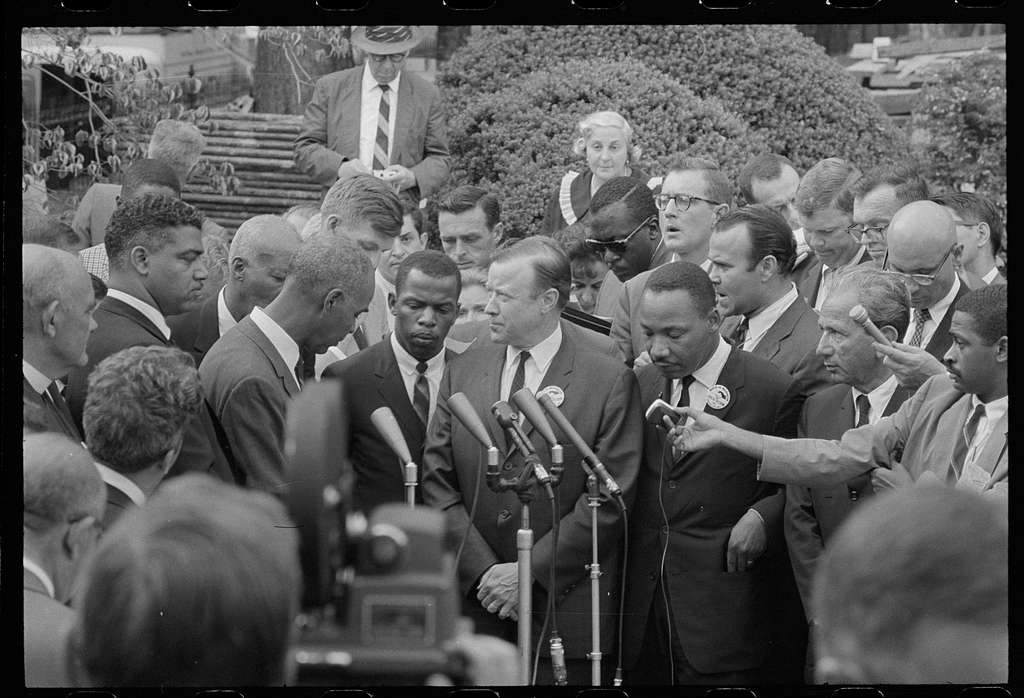
Figure 5.3 : Civil rights leaders talk with reporters after meeting with President John F. Kennedy after the March on Washington, D.C.
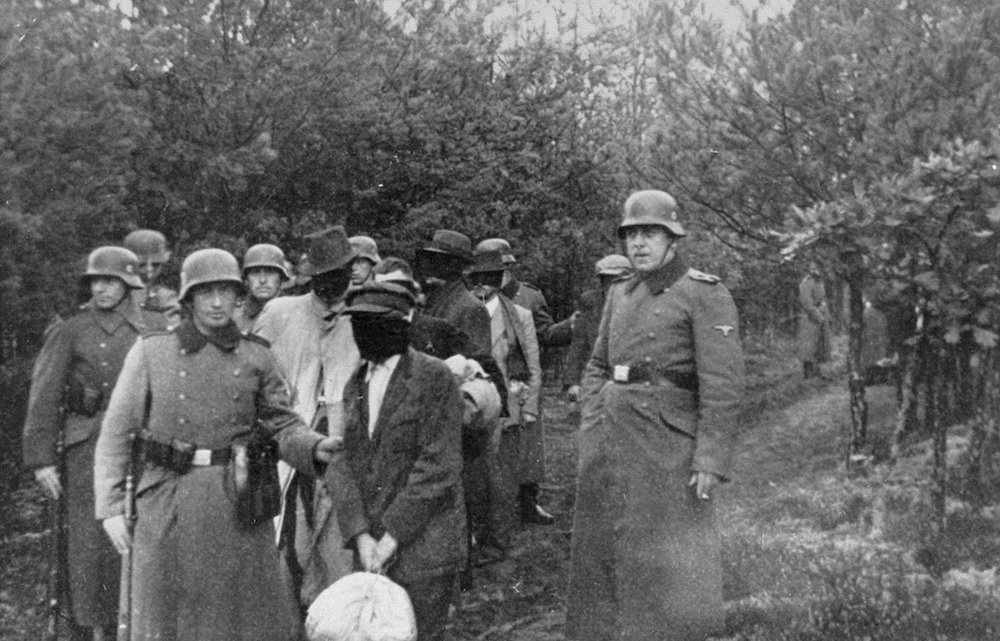
Figure 5.4 : Palmiry before execution – Holocaust, World War Two
Guidelines for Informative Speaking
For informative speeches to be impactful, the following guidelines will help to add clarity and impact to your presentations:
- Don’t overestimate your audience’s knowledge of the topic being presented-this might lead you, the speaker, to avoid details, falsely believing that it would be too tedious, may cause boredom, and turn your audience away if you provide too much detail.
There are various ways to address this issue. One way would be to provide specific background context during your introduction; this will help to orient your audience about the subject matter and your purpose.
Another way would be to provide a pre-speech audience survey on the topic and the audience’s knowledge of the subject matter you will be covering. This would then provide you (the speaker) with insight on what might be significant or useful information for the audience to know during the speech. Therefore, conduct general or specific audience research prior to your speech.
- Make your subject matter relatable to your audience-knowing your audience is important in being able to gain and hold their interest. If your subject material is complicated or complex, you must find ways to tie the subject in with your audience’s interests and concerns.
For example, most college students would have a hard time relating to the subject of the importance of health care, even though peripherally, most would agree that it is necessary to have. However, it is more difficult for that demographic group to see or even to some degree experience its impact on their lives due to their age demographics-being relatively young and feeling healthy and indestructible, and because many of them may already be covered under their parents’ health care policy, it is not a prominent concern to them.
However, if the impact of the lack of health care and its effect on college students is dramatically stated, that audience will key in and pay attention.
- Avoid Technicalities – testing how smart your audience is should not be the guideline approach for informative speeches, or for that matter any type of speech. Think K.I.S.S. – Keeping It Simply Simple.
If you’re trying to impress your audience with your wordsmith, you may end up isolating them and eventually losing that audience due to your lack of clarity.
Subjects that tend to lend themselves to language technicalities seem to land within the scientific, legal, and medical fields; subject matter within these arenas must be expressed in non-technical, everyday language. In other words, it must be simplified in its approach concerning the language and terms used to describe elements within those fields.
- Avoid Abstractions – use words to dramatically paint pictures in the minds of your audience. The audience does not want to work hard at understanding; it raises too many questions in their minds as they listen. Audiences find abstractions to be too tedious.
Using colorful, specific, descriptive, and detailed language encourages almost immediate audience reaction and certainly dramatic appeal.
Dr. Martin Luther King’s “I Have A Dream” speech is a fitting example of how language can be used to stir up emotions and move the audience from words to actions; the speech dramatically shows how language can be concrete.
Later on in this chapter, we will examine the characteristics of the “Dream” speech and what has made it one of the top 10 speeches of all time.
- Make it Personal-listeners love to hear about The human interest appeal in stories will always grab attention because it is always relatable; the more dramatic, the more appealing these stories are to an audience. This is the popular appeal of “Reality TV”. Audiences are being entertained while being enlightened.
Sports shows like the NBA, NFL, or Baseball playoffs garner high ratings because of the unscripted drama that unfolds during those events. The highlights that follow focus on the personal efforts of those individuals who helped the team to victory.
When you personalize your ideas, you recreate the human element within the moment and make it real for your audience.
Some speakers lacking the experience of knowing how to personalize their ideas might hesitate, doing so thinking that if they personalize their ideas, the audience will feel that they are making the story about themselves or that they are being conceited and arrogant. You are sharing your insights by example, so go for it.
PART 3
PERSUASIVE SPEECH
The purpose of this type of speech is to change the listener’s attitudes and beliefs and get them to do something they normally would not do.
There are three major types of persuasive speeches. The mnemonic I have used most often is FaVaPo:
Three Types of Persuasive Speeches
- Fa – Fact Focus – this type of persuasive speech concerns itself with questions of facts.
As defined, a fact is anything that can be verified as or proven true. Fact focus persuasive speeches, therefore, pertain to what is or is not true, what does or does not exist, or what did or did not happen.
The goal of this type of speech is to provide the audience with clearly verifiable information about an argument, topic, or event that might be controversial, conflicting, or one which contains reasonable doubt about its validity. To make the point, the speaker, who acts as an advocate, provides the audience or listener with tangible material/visual support or other forms of evidence.
For example, the fact was, there was a violent march on the U.S. Capitol, in Washington DC on January 6, 2022. This is stated as a fact because there was evidence of the violence and verifiable reports of the deaths and injuries,

Figure 5.5 :
The spin (reports) of the events as they unfolded required verification and, therefore, may not have been reported factually. However, the fact remains that the event did occur.
- Va – Value Focus – this type of persuasive speech concerns itself with someone’s deeply held beliefs and principles about other individuals, things, events, or even a situation. A person’s values are what they hold as important or in high regard and rest on what that individual considers good or bad, just or unjust, moral or immoral.
The goal of this type of speech for someone with an engrained value system is to defend their position regardless of the outcome or consequence to themselves or to others.
For example, the highly controversial issue of abortion and arguments of whether it’s moral or immoral is a classic value issue with arguments from those who believe that every woman has the right to choose what they wish to do with their body, and those who believe that every life is sacred.
Another example of a value persuasive topic argument might be on the validity of IQ tests and whether they are biased against certain groups of people. The argument is that while someone may be diagnosed as having low intelligence, the fact is, IQ tests t only measure one type of intelligence and does not take into consideration cognitive diversity, therefore making it biased against certain groups of people. Stephen Tonti’s Tedx talk presentation makes the argument that ADHD is not a disorder but rather a difference in cognition.
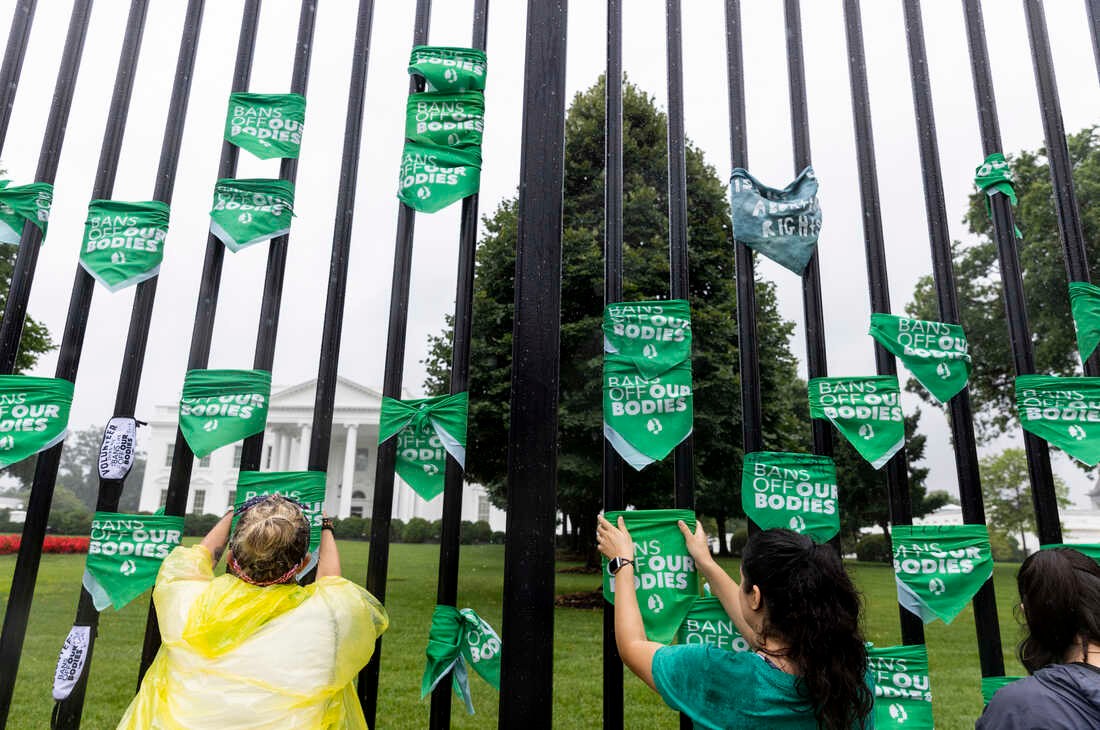
Figure 5..6 :
ADHD As a Difference in Cognition, Not a Disorder, Steven Tonti, TEDx CMU
Value arguments are sometimes difficult to resolve and are often settled with each side agreeing to disagree.
- Po – Policy Focus– this type of persuasive speech concerns itself with rules, regulations, and laws as a means of enacting change in the course of events in a particular community, country, nation, or institution.
Questions of policy focuses on what should be done, what policy should be adopted, what law should be changed, and what practice should be followed so that positive change might be brought about.

Figure 5.7: Job interview situation
A policy to be effective and enforceable must be made into law. That policy would then become the regulation, procedure, or practice. The policy is usually accompanied by penalties in the event it is ignored, and the penalty is determined by the level of the breach of that policy and the resulting consequences.
For example, for someone seeking employment, the Federal Government has put in place policies on what lines of questioning might be construed as being discriminatory. Off limits are questions regarding that potential employee’s race, sexual affiliation, religion, health status, disabilities, and country of origin, these questions might be illegal .
Guidelines for Persuasive Speaking
A policy to be effective and enforceable must be made into law. That policy would then become the regulation, procedure, or practice. The policy is usually accompanied by penalties in the event it is ignored, and the penalty is determined by the level of the breach of that policy and the resulting consequences.
For example, for someone seeking employment, the Federal Government has put in place policies on what lines of questioning might be construed as being discriminatory. Off limits are questions regarding that potential employee’s race, sexual affiliation, religion, health status, disabilities, and country of origin, these questions might be illegal .
Some strategies that you can employ as guidelines for more effective persuasive arguments follow:
Anticipate Selective Exposure-as listeners, we will seek out information supportive of our existing opinions, beliefs, and values, and tend to avoid information that would contradict these things.
The strategic persuasive approach – if the audience agrees with your position, lead with your thesis or central idea; if not, present your evidence first.
Recognize Cultural Differences – culture strongly influences how an audience will respond to persuasive attempts. In low-context cultures, the demand is for evidence and reasoning in arguments, and not just the so-called “expert opinion”, whereas in high-context cultures, authority is valued more and, therefore, considered the expert opinion.
The strategic persuasive approach – know your audience’s culture and work them from that angle.
Encourage Audience Participation – audience participation is a transactional process between you, the speaker, and your listener; it encourages involvement and raises the participation percentages.
The strategic persuasive approach – get your audience to actively participate in your presentation.
Consider Prior Inoculation – an inoculation is the injection of a vaccine someone may receive as a preventative precaution against a disease such as the flu. Similarly, you will need to consider that your listener (s) might have deeply rooted or inoculated attitudes and beliefs against what you want to say.
The strategic persuasive approach – proceed slowly, accept and be encouraged by small gains and changes in your listener’s attitude and behavior. Small increments do matter.
Request Reasonable Amounts of Change – people change unnoticeably; this is because change occurs in small degrees. Important decisions, for most, require more convincing evidence and reasons to change.
The strategic persuasive approach– be reasonable in the amount of change you expect, sometimes just asking the person to think about what you’ve said is enough, and even then, change is gradual.
Stress Identification – build a bridge between your listeners and yourself in order for your listeners to relate to what you have to say.
The strategic persuasive approach – say or do something to show commonality between yourself and your audience.
Stress Consistency – a consistency in attitude, behavior, belief, and values puts us at ease. Even in the face of inconsistency, we seek consistency.
For example, you are used to a friend arriving late for most social engagements. This becomes a consistency for you and you therefore begin to adjust and plan for their late arrival. If, however, they occasionally arrive on time, this inconsistency can catch you off guard and by surprise.
The strategic persuasive approach – try to restore balance and comfort by seeking and exploring change, either in yourself, or in your listener’s behavior, attitude, beliefs, and values.
Appeal to Logic – using reasoning and evidence to add validity to your arguments appeals to your listener’s logic or sensibilities. Once you are able to convince your listeners using logic, they remain convinced for a very long time.
The strategic persuasive approach – show the listener the conclusion which was formed based on the evidence provided. By doing this effectively, you have employed and then deployed the listener’s critical thinking.
Appeal to Emotions – direct your appeal to your listeners’ needs and desires. In order to do this, you must know or be able to deduce what those needs and desires are.
We react to others emotions in some manner and get caught up in it infectiously without even realizing that we have. While emotional appeals may not always work, especially if the listener senses insincerity in our remarks, we nevertheless will elicit a response.
The strategic persuasive approach – you may choose from an array of emotional triggers such as fear, power, influence, love, status, helplessness, pity, and even depravation.
Credibility Appeal – the success of this persuasive approach, is dependent on you and how authentic you appear to be.
Listeners are able to instinctively sense whether you are genuine or not because they utilize critical thinking, logic, and emotions in their assessment. First impressions are very resistant to change.
The strategic persuasive approach – in order to be more believable, you can employ one or more of these: dress the part, demonstrate your expertise, provide testimonials, highlight your credentials, and speak sincerely.
PART 4
ENTERTAINMENT SPEECH
The entertainment speech is intended to be a light-hearted speech designed to stir emotions or amuse the audience while delivering the message. These speeches are delivered on special occasions, like a toast at a wedding, congratulatory birthday remarks at a birthday celebration, or a motivational speech at a cultural celebration.
Sometimes, the occasion might be mundane, and the speech might be primarily to amuse the audience or add drama, like a speech given at an awards celebration like the Tonys, the Oscars, or the Grammys.
In a typical public speaking classroom, the entertainment speech is seldom done, not because they are unimportant but primarily because of time constraints.
Types of Entertainment Speeches
The Entertainment speech is also referred to as the Special Occasion Speech because of the various forms this type of speech morphs into. I have used the mnemonic P.A.C.I.D to recall as well as to descriptively note the categories of speeches under the entertainment category.
- P – Presentation speeches – this type of entertainment/special occasion speech presents someone with a gift, a reward or some form of public recognition.
The accomplishment(s) of the recipient are highlighted by letting the audience know the reasons why that individual is receiving the reward, and the speech should be adapted to the audience.
This type of speech is generally an Informative speech, and the presenter must have a clearly stated purpose as well as visual/material support.
As with all speeches, the presenter must be fully prepared, which means the speech must be rehearsed.
Examples of Presentation speeches would include retirement presentations, graduation, and business presentations.
- A – Acceptance speeches – this type of speech gives thanks for a reward, gift, or other form of public recognition.
You, the recipient of the award, should think about the people who are actually bestowing you with the award; that group, institution, or individual should be mentioned prominently in the acceptance speech.
Credit should also be given to those individuals who were instrumental in helping you to achieve the success or gain the credibility you have that eventually led to you being recognized and highlighted for the award or recognition.
An acceptance speech might be for a certificate, medal, trophy, or monetary award in the arts, academics, science, medicine, or engineering field. You are allowed to be funny (however, be careful with the type and amount of humor), be humble, gracious, and just genuinely thankful. Brevity is important.
Dr. Martin Luther King’s acceptance speech for the Nobel Peace Prize in 1964 is an excellent example of this type of speech.

-
- C – Commemoration speeches – this type of speech is one of praise or celebration.
The commemoration speech essentially pays tribute to a person, group of people, institution, event, or an idea.
To accomplish this type of speech, if the commemoration pertains to a person or persons, the audience should be provided with information about them in order to illustrate their achievements and/or impact.
In the case of an institution, event, or idea, the audience should be provided with information about the impact of that institution, event, or idea globally, nationally, and/or locally. The circumstances and reasoning behind the commemoration should be highlighted and be part of the celebration during the event.
These types of speeches are not just informative speeches; persuasive speeches are sometimes used to highlight the importance of the event and reasons for continuing to pay tribute on a regular or semi-regular basis.
Annual 911 tributes and ceremonies earmarking remembrance of the events of September 11, 2001, when the World Trade Center was destroyed by terrorists, feature commemorative speeches at events that are now commemorative reflections of that tragedy. Today, when someone mentions 9/11, the entire nation knows exactly what the reference is.
-
- I – Introduction speech – a speech that introduces the main speaker to the audience is an introduction speech.
As the Master of Ceremonies (MC) of an event, you may be tasked with introducing the main speaker of the event. In order to effectively accomplish this task, you must have the biographical information regarding the accomplishments of the main speaker and the importance of the remarks that speaker will make.
-
-
-
- Build enthusiasm for the main speaker by highlighting their achievements.
- Build enthusiasm for the speaker’s topic by highlighting why the topic is relevant and of importance to the audience.
- Boost the speaker’s credibility by establishing a welcoming and enthusiastic climate for the main speaker, and reasons why the message that speaker brings should be paid attention to.
-
-
Brevity and accuracy are important in your introductory remarks, and you will have to make sure your remarks fit the occasion; know what is being celebrated and how the main speaker ties into the event and the celebration.
Adapt your remarks to the audience; build audience enthusiasm to the point where the audience cares and wants to hear the speaker.
Make the main speaker comfortable by adapting your remarks to that speaker and by creating a sense of drama and anticipation.
-
- D – After Dinner speech – most of these speeches are known for their entertainment value and are often light-hearted and good-natured.
Post-dinner speeches, while thoughtful or make a thoughtful point, might also be tinged with sarcasm, albeit in a good natured manner.
Humor is an important aspect of the After Dinner speech because it allows the audience to make light of the remarks and remove the edginess to some of the comments.
Avoid being technical or argumentative in your remarks. You do have the liberty to poke fun at yourself, others, and situations in a good-natured way.
President Obama’s speech at the 2016 White House Correspondence Dinner is a useful example of an After Dinner speech.
President Obama Complete Remarks @ 2016 White House Correspondents Dinner, C-SPAN
Guidelines for Entertainment Speaking
Be Prepared –- ‘failing to prepare, is preparing to fail’, so ask yourself this question: of all the things you’ve done successfully, were you prepared in some way to handle them? The answer is most likely, yes.
Preparation is the key to delivering most speeches, even the impromptu speech, which we will get to in Part 5. Therefore have an idea of what you would like to impart to the audience. Even in a last-minute preparation effort, you can write down brief, simple notes on whatever is available to you at the event; this would act as a guideline or trigger for you to remember what you want to say.
Your brain works a little differently when under stress or pressure than when you’re in a relaxed conversation with friends, so help your brain to relax by preparing.
Being prepared is remembering to engage your brain before your mouth goes into motion. Think before speaking.
Adapt & Adjust – for entertainment speeches, there are two words to remember; be effective and appropriate.
If you are an invited guest, you should have a pretty good idea of what the event is about. Knowing this would allow you to adapt your remarks to that situation, and this would also help you to be more appropriate in your comments by tailoring your message.
Adapt and tailor your comments to your audience and to the situation, thereby allowing you to organize your message and deliver it effectively by selecting words that would provide maximum impact.
Know your audience (although not necessarily intimately) – conversations with your intimate friends are different from those with an audience of unknowns. However, there are basic things you should know or at least try to find out about your audience:
Who they are – meaning their basic demographics, such as age, income, ethnicity, and cultural disposition.
What they know – meaning their level of knowledge or expertise about the occasion, your topic, and perhaps even you.
How they feel – usually how the majority within that audience feel at that moment is a good gauge. You have to be able to read the room, feel the vibe of the audience, adapt, and adjust.
Audiences have a tendency to correlate the topic and speaker; therefore, how an audience feels about you personally might affect how your message is received. The less your audience knows about you, the greater the chance for you to be impactful, provided that you “bring it” (perform well).
Manage clock time appropriately – knowing how much time you have to speak provides you with an ample time reference for how much you can say and how you can direct those comments to achieve maximum impact.
You can monitor your time in various ways. For example, you can glance at your watch or a clock just prior to beginning your remarks and occasionally during your remarks. Timed rehearsals set your internal clock in motion, thereby allowing you to have a great feel for the timing during your actual comments.
Less is more; plan to say less with more impact, than more, with less impact. You should always leave your audience wanting just a little more and you will know if they do.
PART 5
IMPROMPTU SPEECH
An impromptu speech is a speech delivered with little or no immediate preparation. Most of the speeches you will do in your lifetime will be this type of speech. In fact, spontaneous conversations are all impromptu speeches.
Students become quite nervous when asked to perform an impromptu speech on a particular topic provided to them seconds before. The anxiety comes from being suddenly placed in the spotlight, maybe not being too familiar with the topic you are asked to comment on, being graded or assessed, and not wanting to appear incompetent to your peers.
All these factors will lower your confidence level, and apprehension can suddenly become fear, and fear leads to more anxiety and so on.
The purpose of the impromptu speech is to raise your awareness and the awareness of the novice speaker’s level of critical thinking, that is, the ability to gather and organize your thoughts quickly. The more you practice this type of public speaking, the more your critical thinking will improve.
This is one of the first speeches I have students perform knowing it is the most difficult for the majority of them. However, they soon realize its value and the importance of preparation.
The demystification is that in the world of speech-making and conversations, there is really no unprepared thought, although there might be unrehearsed comments. Every word we speak, we must first think it. Therefore, thoughts generally become words and precede them. As long as you have thoughts, you can do an impromptu speech. You just have to learn how to organize those thoughts spontaneously.
While you may not have the time to prepare for an impromptu speech as you would an informative or persuasive speech, you do have time to think about what you wish to say. Therefore by familiarizing yourself with a variety of topics and interests, you not only become more interesting to converse with, but you also become more knowledgeable in different areas and less nervous when your critical thinking skills are challenged during an impromptu speech.
Types/Categories of Impromptu Speeches
Impromptu speeches cannot really be placed into specific types like you would an informative or persuasive speech. An impromptu speech is primarily situational or categorical; in other words, your prompt might be the situation/context, occasion, or event you may happen to be in.
An impromptu speech at a wedding requires a different critical thinking thought process from an impromptu speech at a birthday celebration or at eulogy. The context, therefore, determines the kind of impromptu speech you might deliver.
Wedding Impromptu
There are numerous tips on giving a wedding speech. The ones you have advanced time to prepare for would follow the basic steps of a major speech. However, for the impromptu wedding toast, here are a few thoughtful and practical ways to provide a tasteful toast that you didn’t have time to prepare for in advance.
Make it Personal – old stories about the couple or either one of the newlyweds are useful, especially they are is sentimental. They give the guests a perspective of your friendship with the newly-weds.
Keep it short – a 2-3 minute toast is all you need. Be considerate of others who may want to toast as well and get right to the point.
End on a Happy Note – Your last words should be happy ones; it sets the correct mood for the couple and for the rest of the celebrations. Encourage and infuse hope.
Birthday Celebration impromptu
A birthday toast is appropriate whether it’s a formal or informal party. Spontaneity in the language of the toast is almost expected, especially if you are good friends with the celebrant.
Keep it Age Appropriate – your toast comments should be complimentary with the age of the birthday celebrant, and this can be done skillfully and humorously without mentioning their age if they choose not to reveal it. Age would most likely signify the celebrant’s experience and knowledge; mention those significances and make it complimentary whether old, young, or in-between.
Keep it short – as in the wedding toast, get right to the point. and keep the focus of your comments on the celebrant. Mention something significant and positive they have been able to achieve in their life.
Use Humor – Keep it funny and light hearted; there is no need to be too sentimental.
Makeit Personal – as in the wedding toast, making it personal would make the guests aware of your relationship with the celebrant and would endear the celebrant to you.
Eulogy Impromptu
The fact that you are eulogizing someone signifies two things; one is that you knew the person well and you had a meaningful connection with them, and secondly, that person has died. However, it does not mean that the eulogy should be a sad and melancholy salute; make it a celebration. A eulogy is almost always planned in advance.
Share your Memories & Reminisce – You can share memories of the person and what they have accomplished. You can also share memories of your time together.
Know the context – your relationship with the person should dictate your comments; the closer you are to them, the more you will be expected to reveal. Have one or two personal revelations you both shared that others might not be aware of.
Your relationship should guide the length – How close you were to the person should be a guide to the length of your eulogy; you may have more or less to say depending on that. 5-10 minutes is usually the standard.
Content accuracy is important – you want to make sure you get your information and facts correct and as accurate as possible, so that you are truthful to the memory of that person, especially since they are not able to defend their position or tell their side of the story.
In the world of theatre, the improvisational technique is used to train actors for stage, television, and film. It helps actors in character development and in script writing. The Improv technique, which is an unplanned and unscripted spontaneous performance, is mostly used in theatrical comedic performances, but the technique is also used outside the context of the performing arts.
The following example is an improvisational acting scene that follows a specific prompt/cue:
The Art of Improvisation/Rapid Fire Theatre, TED, Edmonton
In classrooms, improvisation takes the form of the Impromptu speech. In the business arena, it is sometimes referred to as creative problem solving, whereas in science, it is sometimes used as psychotherapy to gain insight into a person’s relationships by creatively examining the individual’s thoughts and feelings within that context.
The usage of spontaneous dialogue and communication in the classroom, in business, and in the performance arts have many benefits. Among them are the improvement of our listening as well as our communication skills.
Guidelines for Impromptu Speaking
In general, for an impromptu speech to be fluid, think Structure. Once you are given a topic, phrase, word, or any other prompt (depending on what it is), think of one of the 3-part structural constructs listed below; any of these will help you structure your comments:
Past/present/future
Top/center/bottom
Cause/outcome/solution
Before/during/after
In the classroom, to accomplish the impromptu speech, the following 4 steps will help you buy time to structure your thoughts and adjust your critical thinking for the speech.
Let’s say your prompt is to provide your opinion on “one negative and one positive aspect of wearing school uniforms”.
- Step 1: State the point to which you are
After you have introduced yourself and greeted your audience, the first step would be to state the point you were asked to address.
I was asked to provide one negative and one positive on the aspect of wearing school uniforms.
Restating the point buys you thinking time, helps you reinforce the topic idea for yourself and your audience, and allows your introduction to sound polished and fluent.
- Step 2: State the point you wish to make.
The next statement would be to the point(s):
I would like to state what I believe to be one negative, and that is, school uniforms hinder the development and expression of individual creativity. However, the positive is the uniformity of school uniforms, which prevents bullying and helps students focus more on learning.
Stating your points in a summarized, and condensed manner allows you to choose a destination for each point, and it also enables you to remember what those points are that you are making.
- Step 3: Support your point(s) in whatever way you can.
You can use examples, statistics, testimonials, or even a story to support each point while always keeping in mind your structure.
The negative of wearing school uniforms is the hindrance to creative expression due to the fact that students are not allowed to wear outfits that speak to who they are as unique individuals…(you can use yourself as an example).
Using support for each point helps to elongate your speech. The quickest and perhaps the easiest support is usually a personal example, so don’t ever be afraid to reference yourself or tell a personal story; it humanizes the point(s) being made and holds the audience’s attention.
- Step 4: Summarize your point(s)
The final step is to recap the point(s) you’ve made. The key is to remember the point(s) made and reiterate them without adding any extra points or afterthoughts (doing this can confuse the listeners). Recap the points in the same order in which they were presented.
You can close by thanking the audience for their attention and offering to answer any additional questions they may have.
TIPS
- Plan a structure
Once you are given the prompt, pick a 3-part structural construct that fits the topic. For example, before/during/after.
- Never let them see you sweat (Exude Confidence)
Although you might be nervous, most of the time, this nervousness is not visible, and while your initial adrenaline rush may cause you to speed up your delivery, concentrate on speaking at a slower pace by slowing down your breathing.
- Audience Focus
Address your audience, breathe, establish eye contact, and smile. The audience wants you to succeed and are rooting for you. Therefore, see them as friends and address them as you would friends.
- Make it personal
We all love story time. Tell a relevant personal story either in the beginning, the middle, or towards the end. It really doesn’t matter where it is interjected once there is a point to it. It is also a good lead to discussions.
- Monitor your delivery
Your hands – know what they are doing; use gestures as you would in a regular conversation.
Your voice – listen to what it sounds like, monitor your tone, and try to sound like you normally would in a conversation that you are excited about.
Your eyes – know where they are focused, and that should be on the audience.
Your facial expressions – your facial muscles should be relaxed. A smile is a much more relaxed expression than a frown, therefore, smile.
Your body – be aware of your movements; slow and deliberate.
Silence – use pauses deliberately for dramatic tension between your points and to help you gather your thoughts.
- Use Humor
Humor will relieve your tension as well as relax and engage the audience; however, the humor should be relevant and tasteful.
- Manage your time & anxiety
Most impromptu speeches last between 1 to 3 minutes. Less is more, so make your point and get out of the way, but don’t give the audience the impression that you want to wrap up the speech as quickly as possible and run from the stage. Instead, leave time for audience questions and ask them for their input.
The video below discusses how to manage anxiety:
Speaking up Without Freaking Out, Matt Abrahams, TEDx Palo Alto
SAMPLE OF IMPROMPTU QUESTIONS
- Of all the Colleges/Universities to select from, why did you choose this one for your higher education? Do you believe, you’ve made the right choice?
- Give one alternative method you would like to see implemented instead of SAT as an assessment of a student’s college eligibility.
-
- Do you believe midterm and final exams are effective methods of assessing student academic progress during a given semester? Give one or two major reason(s) that would support your point.
- You’re asked to present a speech regarding the mandatory wearing of school uniforms. Provide one or two major points and reasons for or against wearing school uniforms.
- As an entering freshman college student, is it better to decide on a major prior to entering or is it more beneficial to make your decision after attending for a couple of semesters? Support your answer.
- What do you believe would be the strongest deterrent to the use of illegal drugs? Support your answer(s).
- Do you consider alcohol a drug and a dangerous substance? Regardless of your position, what do you believe needs to be done to safeguard ourselves against the dangers of alcohol? Support your answer.
- Do you believe cloning is immoral? Support your answer.
- As a local or international student, do you believe it is beneficial to study abroad? Whether you do or don’t, give your opinion either way.
- Do you believe the legalization of marijuana nationally would change its usage? Explain how and give reasons for your views.
- Do you believe there are major differences between men and women, or are gender differences blown out of proportion? Support your answer.
- Is abortion a private matter or do you believe a minor (a 15 or 16 year-old) should seek permission from a parent before making any type of decision on abortion?
- Do you believe the death penalty is an effective deterrent to crime? Support your answer.
- We have heard this statement: “Guns don’t kill people, people kill people”; do you believe this statement to be true or false? Support your view.
- What is the most challenging aspect of Public Speaking and why?
- Has technological advances caused us more harm than good as communicators? Support your answer.
- Do you believe cell phone usage has become addictive. If so, what is the cure for this addiction?
- Should gifted athlete leave high school or college before the completion of their studies to play professional sports if drafted? Support your answer.
- Do you believe the current prison system as structured in the U.S. provides real reform for inmates. If it does, please state one way it does, and if it does not, please state one way it can be improved.
- Is college necessary or is experience more valuable than a degree? Support your
- Do you believe war is ever justified? Support your answer.
PART 6
SUMMARY
After this discussion, you are now aware that there are multiple kinds of speeches and 4 major types were discussed. These are informative, persuasive, entertainment, and impromptu speech.
In an informative speech, you are providing instruction or guidance. Your speech type could involve a concept, an object, a process, or an event.
In a persuasive speech, you are attempting to change attitudes and beliefs. The three kinds discussed were the fact-focused, value-focused, and policy-focused persuasive speechs.
The entertainment speech is designed to stir emotions or amuse, and is the most varied of the major speeches discussed. The types of entertainment speeches discussed were the presentation speech, the acceptance speech, the commemorative speech, the introduction speech and the after dinner speech, each requiring a different approach based on the event/occasion.
An impromptu speech is a speech done with little or no immediate preparation and is the type of speech you will do quite often in your lifetime.
There is no specific type of impromptu speech; instead, the occasion or event dictates the speech content and its structure provides clarity.
Following the guidelines and tips suggested will enable you, the speaker, to successfully navigate each type of speech and add clarity to informative speeches, conviction to persuasive speeches, more amusement to entertainment speeches, and a better structure to the impromptu speech.
DISCUSSION QUESTIONS
- Which of the major speeches, in your view, would be the most challenging for you to present and why?
- Is there a persuasive speech topic you would consider too controversial to present? Discuss some of the reasons you would be hesitant to present on such a speech topic.
- Can you recall a situation where you were asked to present a speech that you were nervous and apprehensive about presenting? Discuss any specific techniques you used to cope with your anxiety in order to complete the speech assigned.